Tired of Constantly Reminding Your Teen? Try “I Do, We Do, You Do”
“I feel like I’m managing my child’s executive function all the time. If I don’t nag, remind or shout, nothing gets done. How will they ever learn to be independent?”
I often hear this from parents in coaching sessions. They feel exhausted, frustrated and anxious about the future—and constant reminders don’t help relationships at home.
Their teenager may feel frustrated too. They want greater independence but still rely on reminders because they haven’t yet developed the skills or confidence to manage alone.
One way to build executive function skills is the “I do, we do, you do” method.
As a teacher, I used this approach regularly. It took me longer to apply it at home, although I quickly discovered that shouting “Just get it done!” didn’t teach my disorganised child how to get it done.
We already use this method when teaching children to bake, read or complete a chore: first we demonstrate, then practise together and eventually encourage them to try alone.
I do: Model the Strategy
Model the strategy and make your thinking visible: “This is how I remember what I need each day.”
We do: Practise together
Practise together using questions, visual prompts or checklists, gradually transferring responsibility.
You do: Transfer responsibility
Step back when your child has developed enough skill and confidence, while remaining available when their capacity is lower.
The problem with executive function skills is that we sometimes do or remember things for our children without showing them the underlying process. This solves today’s problem but may not build tomorrow’s independence.
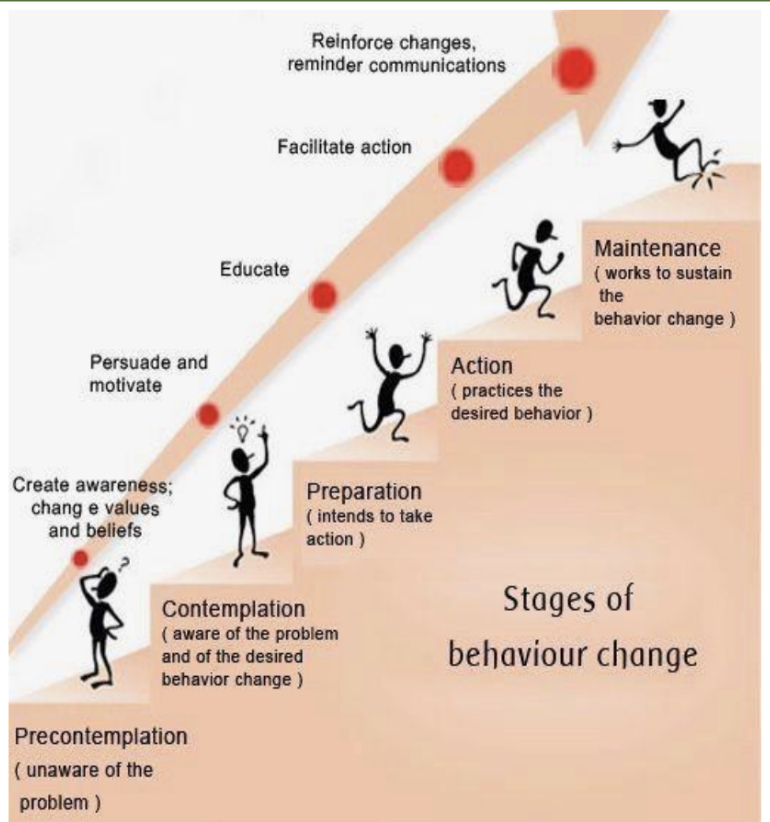
Building independence is a gradual process: awareness and education come before independent action and maintenance.
Graphic reproduced with credit to Connections in Mind.
As the graphic shows, lasting change develops gradually through awareness, education, supported action and reinforcement.
My youngest struggled to put the right things in his school bag. We created a box by the door and displayed a weekly schedule. First, I modelled the system; then we used it together. Over time, he could manage it independently.
What daily task could you begin teaching through “I do, we do, you do”?
If your teenager needs support to understand what is getting in the way and develop strategies that work with their brain, learn more about my one-to-one coaching for students
